Your Local Solar Team

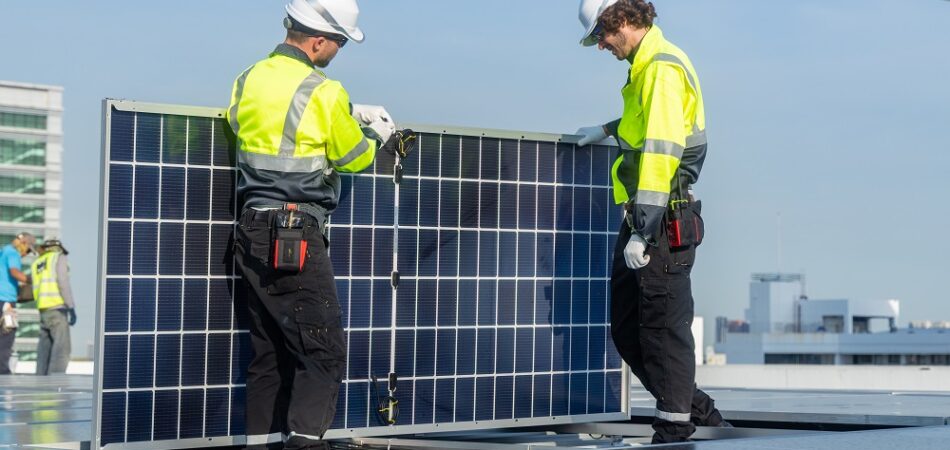
Regular maintenance of solar panels is crucial to prevent energy output drops, which can be as high as 32% if left uncleaned for eight months. A proactive, seasonal approach ensures maximum energy efficiency, extends system life, and protects your investment.
Solar panels are one of the most durable upgrades you can make to your home, but they are not entirely hands-off. Dust, debris, weather, and seasonal shifts all affect how much energy your system produces. A consistent seasonal routine is what separates a system that quietly underperforms from one that delivers maximum savings year after year.
Strive Solar provides full-service solar solutions across the southern United States and has helped hundreds of homeowners protect their investment with expert maintenance support. If you want your panels working as hard as your money did, reach out for a free consultation.
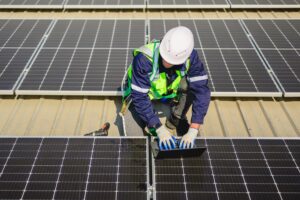 Solar panels carry a lifespan of 25 to 30 years, but only consistent upkeep keeps them performing at that level. The National Renewable Energy Laboratory (NREL) found that soiling losses reach up to 7% annually in parts of the United States, and research from arid climates shows dust accumulation alone can cut output by 25% or more over just six weeks.
A coastal PV plant study published in Solar Energy found that cleaning panels after a soiling period produced a 32% improvement in power generation, meaning uncleaned panels had lost that much output to dust and debris. A structured seasonal checklist also helps you catch problems early. Spotting a loose mounting bracket or a declining inverter reading before it escalates saves far more than waiting for a full repair.
Here is what each season brings to your system:
Spring is your most important maintenance window. Winter leaves behind grime, debris, and potential damage right before your system enters its highest production months.
Start with a full walkthrough of every panel in your array. Look for cracks, chips, or clouding in the glass that could reduce light absorption. Confirm all brackets and fasteners are tight with no rust or corrosion, and check that no panels have shifted or lifted at the edges after winter wind events. Scan for any exposed or frayed wiring at the roofline without touching electrical components directly.
Use a soft microfiber cloth or soft-bristled brush with plain water or a mild, non-abrasive soap. The best time to clean is early morning on a cool day before the glass heats up. Avoid pressure washers, steel wool, and chemical solvents, all of which can damage seals and void your warranty.
Pull up your monitoring app and review the past 90 days of output data. Error codes or output gaps that built up over winter show up clearly against your pre-winter baseline. If your system includes a battery, verify that charge and discharge cycles are running normally after months of cold temperatures.
What Summer Maintenance Tasks Keep Solar Panels Running Efficiently?
Summer is peak production season, but heat can work against your system if maintenance is ignored. High temperatures cause inverter stress, and dust storms common in Texas, Arizona, and California accelerate surface buildup.
Check your energy output readings at least once a month using your monitoring platform. A sudden dip in kilowatt-hour output with no corresponding cloudy weather is a sign something needs attention. Log the date and reading, and contact a licensed technician if a drop of 10% or more persists beyond a week with no weather explanation.
In high-dust regions, a mid-season garden hose rinse on a cool morning removes buildup without a full cleaning visit. Trim any tree branches that have grown enough over summer to cast new shade on the array.
Visually scan conduit runs and junction boxes for cracked or discolored wiring, but never touch any electrical components. Heat-exposed wiring degrades faster during summer, and early spotting prevents larger problems down the line.
Fall maintenance is about protection before conditions make upkeep harder. Leaves and organic debris pile up fast, and this season is the best window to schedule a professional inspection before winter arrives.
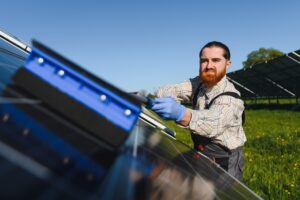 Remove fallen leaves from panel surfaces as they collect, not just once at the end of the season. Even partial shading from a single leaf cluster can reduce the output of an entire string of panels.
Check the array after windy days and major storms, and use a soft leaf blower from ground level or a soft brush on an extension pole for lower rooflines. Walk the property to note any new shade sources from growing trees or neighboring structures that could affect winter production.
Check all junction boxes and conduit penetrations for water staining, rust, or condensation that could signal moisture intrusion. Rodents looking for warmth in autumn sometimes nest under roof-mounted panels or inside conduit runs, so look for chewed insulation or nesting material near entry points. Confirm that all roof penetrations are properly sealed with no visible gaps.
Fall is the best window to book a licensed technician before holiday schedules fill up, ideally in October or early November. A professional covers electrical connections, hardware torque checks, and inverter diagnostics that homeowners cannot safely perform themselves. Review your residential solar installation warranty documentation at this time to confirm what is covered heading into winter.
Winter maintenance focuses on monitoring rather than physical upkeep. In southern states, freezing temperatures are less common, but storms and ice accumulation can still cause real damage.
After any hail storm, high-wind event, or unusual ice accumulation, perform a ground-level visual inspection using binoculars. Look for visible cracks, displaced panels, or dislodged mounting hardware. Never attempt to remove ice manually.
Modern PV panels handle freeze-thaw cycles without damage, and ice melts on its own once the sun returns. If you spot surface damage after hail, contact your maintenance provider before the next production cycle.
Production drops naturally in winter due to shorter days and lower sun angles, but a steady, weather-consistent output pattern confirms the system is healthy. Any sharp drop that does not match local cloud cover or storm activity warrants a call to your provider.
If you are unsure what normal winter output looks like for your array, a solar system design and consultation review can establish accurate seasonal benchmarks so you can tell the difference between expected variation and a real problem.
Homeowners can safely handle ground-level visual inspections, monitoring app reviews, and gentle surface cleaning. Anything involving the roof, electrical components, or a 10% or greater unexplained output drop requires a licensed professional.
Ground-level inspections, garden hose rinsing, monitoring app reviews, clearing debris from around equipment, and trimming shade-causing branches are all safe for homeowners to handle.
Roof access, touching wiring or junction boxes, inverter servicing, and any hands-on investigation of persistent output drops should always go to a certified technician. DIY attempts on rooftop hardware or wiring can void manufacturer warranties and create real safety risks.
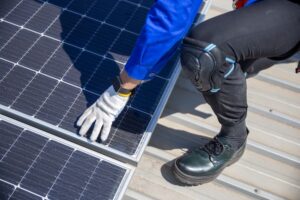 A licensed technician handles wiring and connection inspections, inverter diagnostics and firmware updates, mounting hardware torque checks, battery load testing, and any structural or electrical repair following storm damage. Schedule at least one professional inspection per year, ideally each spring before peak production season.
High-dust, coastal, and high-pollen regions benefit from twice-yearly professional cleanings. Industry data shows professional maintenance improves output by 5 to 15 percent over a system’s life. For full-service solar panel maintenance and repair, always choose a provider whose technicians are licensed electricians with direct solar experience.
A consistent seasonal maintenance routine is the single most effective thing a homeowner can do to protect system performance and long-term savings. Cleaning, inspecting, monitoring, and calling in professionals when needed keeps your array producing at full capacity through every season.
Strive Solar serves homeowners across the southern United States with licensed technicians, a 100% satisfaction guarantee, and comprehensive maintenance plans built for every system type.
Call us today to schedule your free consultation and keep your solar investment protected all year long.
Most residential systems benefit from cleaning two to four times per year. Dusty, arid, or high-pollen areas may need monthly attention, while coastal systems should be cleaned quarterly to prevent salt buildup from degrading panel surfaces.
Homeowners can safely rinse accessible panels with a garden hose and wipe surfaces with a soft microfiber cloth. Avoid pressure washers, abrasive materials, and harsh chemicals. Any cleaning that requires roof access should be handled by a qualified technician.
The clearest sign is a kilowatt-hour production drop that does not match weather patterns. Monitoring platforms like Enphase Enlighten and SolarEdge provide daily output data, making it easy to compare current performance against your historical baseline.
Yes, in most cases. Many equipment and workmanship warranties require proof of regular maintenance and specify that electrical work be completed by a certified technician. Keeping a maintenance log protects your coverage throughout the system’s life.
A well-maintained photovoltaic system can last 25 to 30 years. Regular seasonal care slows the gradual degradation that shortens panel lifespan and maximizes the financial return on your original investment.


 Strive Solar